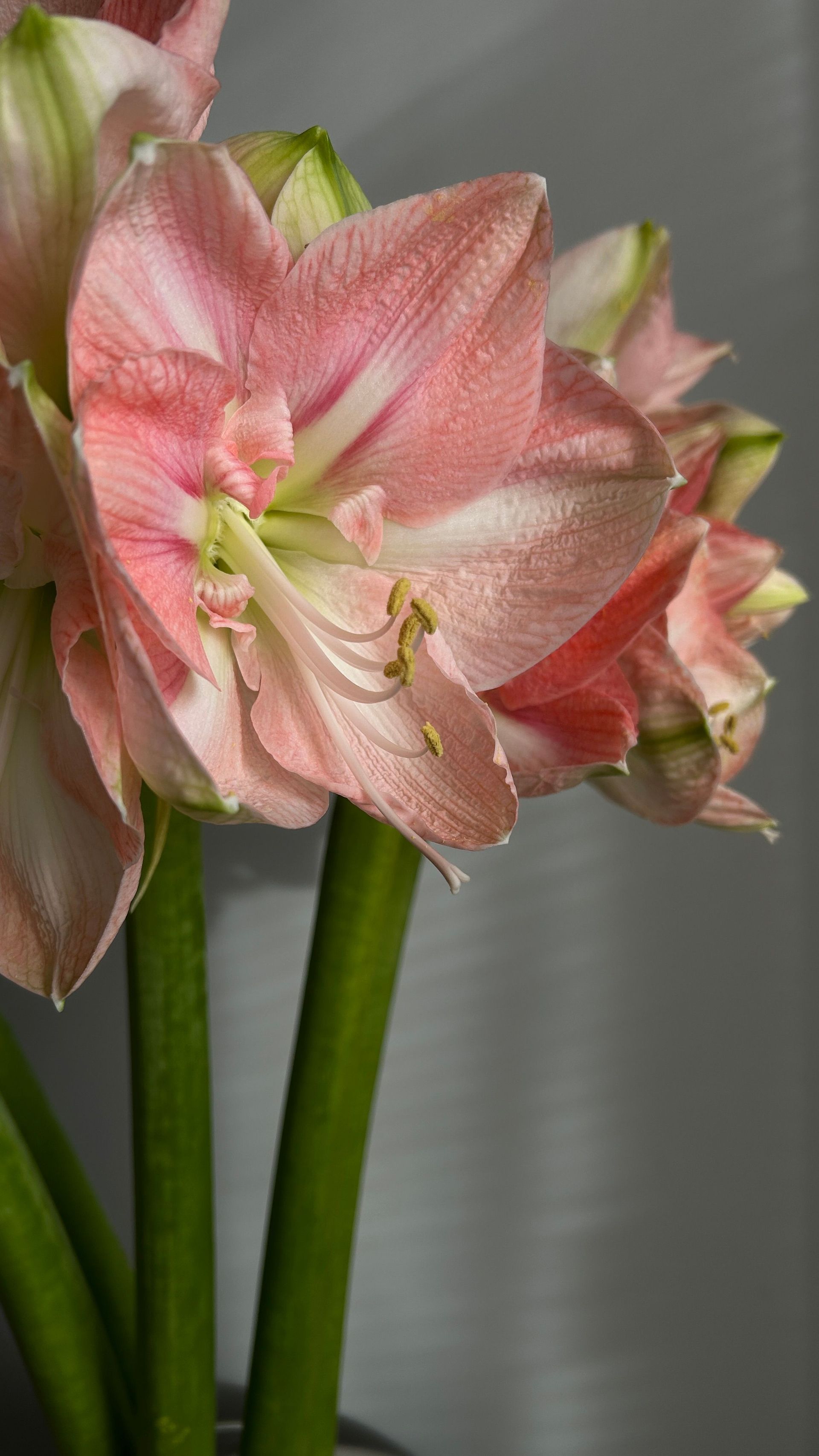
Amaryllis Season Is Here! The Perfect Holiday Bloom The holiday season is right around the corner, and there's no better way to bring festive color into your home than with amaryllis! Known for their large, trumpet-shaped blooms and vibrant colors, amaryllis are a holiday favorite. From classic Christmas reds to elegant whites, soft pinks, and beautiful striped varieties, these stunning flowers make a statement wherever they're displayed! Why We Love Amaryllis Amaryllis are loved for their impressive blooms, easy care, and ability to brighten indoor spaces during the cooler months. They're perfect for: Holiday centerpieces and tablescapes Decorating mantels and entryways Festive container arrangements Thoughtful Christmas gifts Adding seasonal color to your home Fun Fact: A single amaryllis bulb can produce multiple flower stalks, with each stalk typically featuring several gorgeous blooms! How to Care for Amaryllis One of the best things about amaryllis is how easy they are to grow indoors! Here are a few tips to keep yours looking beautiful: Sunlight: Place in a bright location with indirect sunlight. Watering: Water lightly after planting, then increase watering as growth begins. Avoid soggy soil. Soil: Use well-draining potting soil in a container with drainage holes. Temperature: Keep indoors in a comfortable, warm location away from heating vents. Maintenance: Rotate the pot occasionally to encourage straight growth and remove faded flowers. With proper care, amaryllis bulbs can bloom again in future seasons! A Holiday Decorating Favorite! Amaryllis are a beautiful way to bring natural elegance into your holiday decorations. Their bold red blooms pair perfectly with traditional Christmas greenery, while white and pink varieties complement softer, more modern holiday styles. Planning ahead? Amaryllis typically bloom about 6–10 weeks after planting , depending on the variety and growing conditions, so fall is a great time to get started for the holidays! Bring Home Holiday Beauty from All Seasons Nursery! Whether you're decorating your home, preparing for holiday gatherings, or searching for the perfect gift, amaryllis are a beautiful addition to the season. Stop by All Seasons Nursery in Lafayette, Louisiana , to shop our seasonal plants and discover everything you need to make your home festive and beautiful!
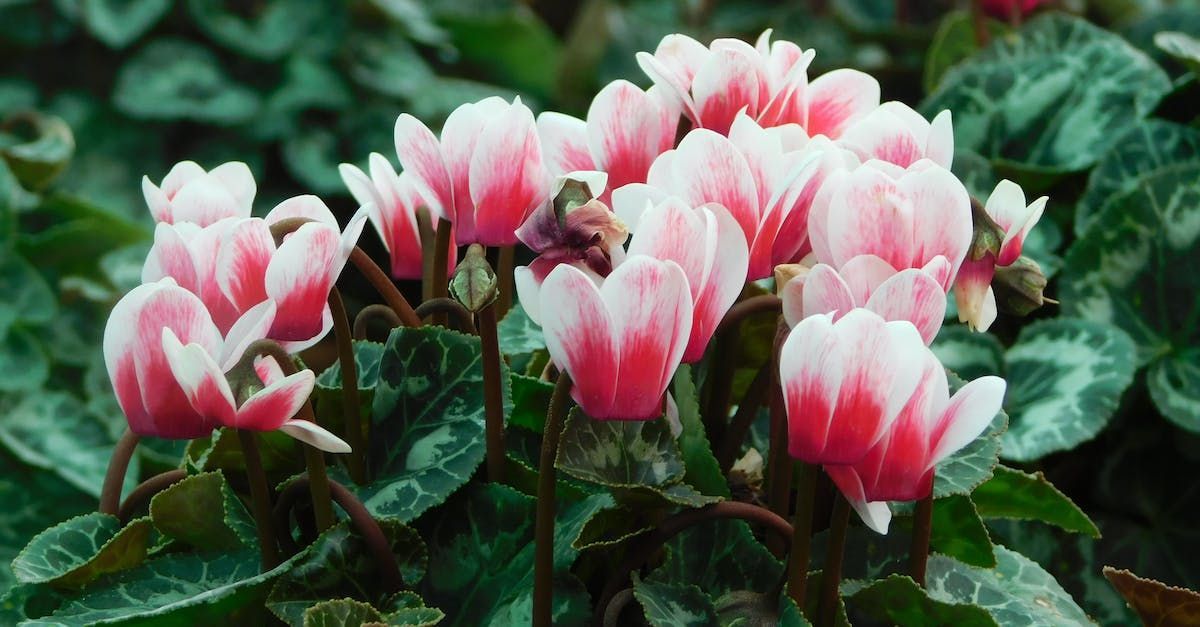
Cyclamen Season Is Here! Beautiful Blooms for Cooler Days As temperatures begin to cool in South Louisiana, it's time to welcome one of our favorite seasonal flowers: cyclamen! Known for their delicate, butterfly-like blooms and beautiful heart-shaped leaves, cyclamen bring an elegant touch to any space. With flowers in shades of pink, red, white, and purple, they're the perfect way to add color to your home, patio, or garden during the cooler months! Why We Love Cyclamen Cyclamen are a cool-season favorite for their unique appearance and long-lasting blooms. Their colorful flowers rise above beautifully patterned foliage, making them just as eye-catching as they are elegant. They're perfect for: Brightening up shaded porches and patios Adding color to decorative containers Creating beautiful holiday arrangements Bringing seasonal color indoors Adding charm to protected garden spaces Fun Fact: Cyclamen flowers have petals that curve backward, giving them their signature butterfly-like appearance! How to Care for Cyclamen Cyclamen thrive in cooler temperatures, but they need a little extra attention to stay beautiful in Louisiana's changing weather. Here are a few tips: Sunlight: Place in bright, indirect light or a shaded outdoor location. Watering: Water when the soil surface begins to dry, avoiding the center of the plant. Soil: Use well-draining potting soil to prevent root rot. Temperature: Keep them cool and protect them from hard freezes and excessive heat. Maintenance: Remove faded blooms and yellowing leaves to keep plants looking fresh. With the right care, cyclamen can provide beautiful blooms throughout the cooler season! Perfect for Fall & Holiday Decorating! Cyclamen are a wonderful way to transition your home from fall into the holiday season. Their vibrant reds and crisp whites are especially popular for Christmas decorating, while soft pinks and purples add an elegant touch all winter long. Whether displayed in a decorative pot by your front door or used as a centerpiece indoors, cyclamen make a beautiful seasonal statement! Find Your Favorites at All Seasons Nursery! Cyclamen have officially arrived at All Seasons Nursery! Now is the perfect time to refresh your containers, brighten your patio, or bring a little seasonal beauty indoors. Stop by All Seasons Nursery in Lafayette, Louisiana , and explore our beautiful selection of cyclamen and other cool-season favorites!
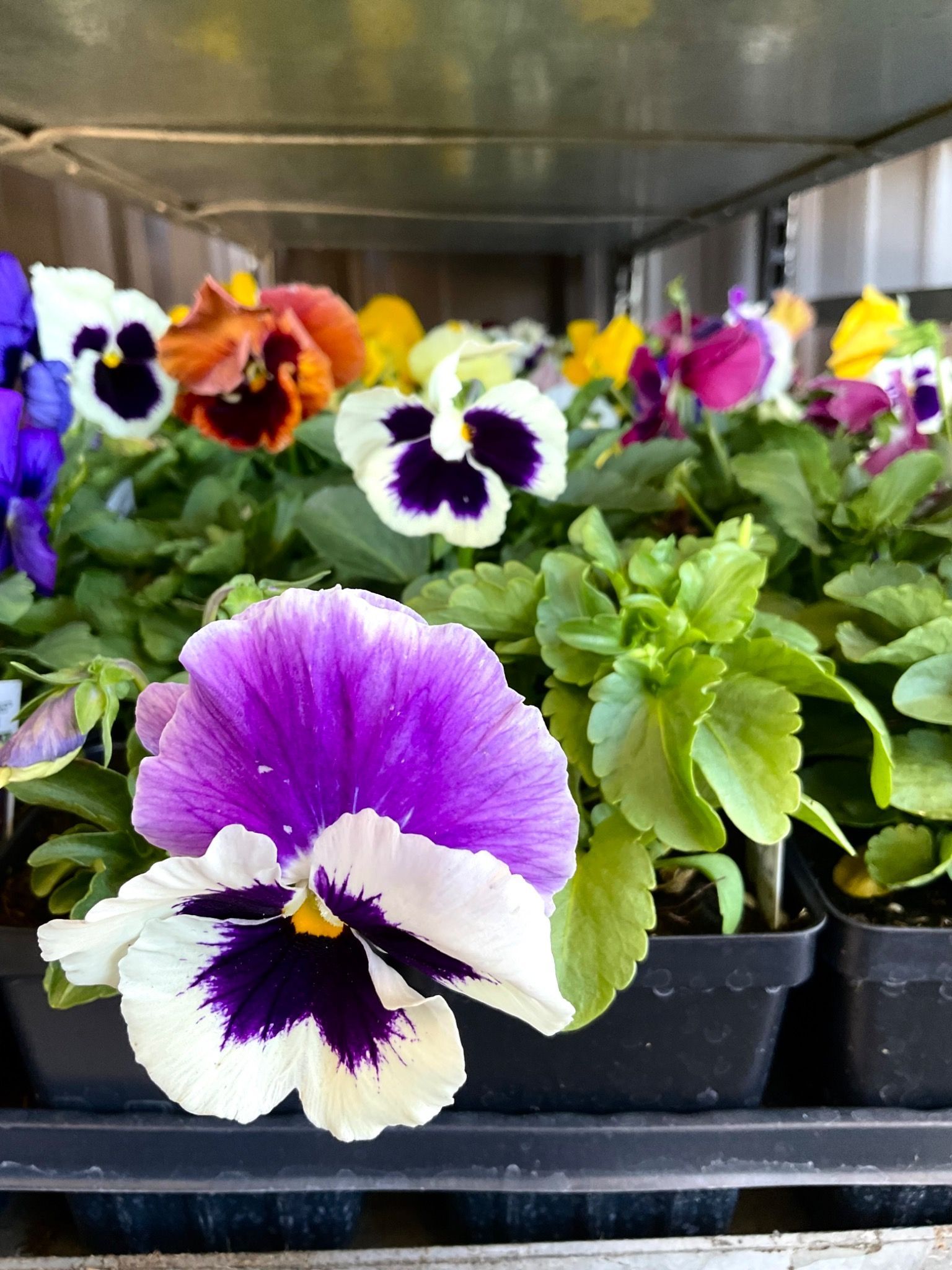
Pretty in Pansies: Louisiana's Favorite Cool-Season Flower! As temperatures begin to cool in South Louisiana, it's time to bring some color back to your garden! Pansies are one of our favorite cool-season flowers , known for their cheerful blooms, vibrant colors, and ability to thrive when temperatures drop. From bold purples and yellows to soft pinks, whites, and beautiful multicolored varieties, pansies are the perfect way to brighten up your landscape this fall and winter! Why We Love Pansies Pansies may look delicate, but they're surprisingly tough! These cold-tolerant flowers thrive in Louisiana's cooler months, providing beautiful color from fall through spring with proper care. They're perfect for: Flower beds and landscape borders Colorful container gardens Hanging baskets and decorative pottery Brightening up porches, patios, and entryways Fun Fact: Pansies are known for their unique, face-like markings on their petals, giving each bloom its own little personality! How to Care for Pansies Pansies are easy to grow, making them a favorite for both beginner and experienced gardeners. Here are a few tips to keep them looking their best: Sunlight: Plant in full sun to partial shade. Plenty of sunshine encourages more blooms during cooler months. Watering: Keep soil consistently moist but never soggy. Soil: Choose well-drained soil enriched with organic matter. Maintenance: Remove faded flowers regularly to encourage fresh blooms. Fertilizing: Feed lightly with a balanced fertilizer as needed to support healthy growth. With a little care, pansies can keep your garden colorful throughout Louisiana's cooler seasons! Fall Is the Perfect Time to Plant! November is an excellent time to plant pansies in Lafayette! Cooler temperatures allow them to establish before winter, and their colorful blooms make them perfect for refreshing your landscape ahead of the holidays. Mix and match your favorite colors, create a seasonal container garden, or fill your flower beds with these cheerful blooms! Pick Your Perfect Pansies at All Seasons Nursery! There's nothing like a fresh bed of pansies to welcome the cooler weather! Whether you're decorating for the holidays or simply adding seasonal color to your home, pansies are a must-have for Louisiana gardens. Stop by All Seasons Nursery in Lafayette, Louisiana, and explore our beautiful selection of cool-season flowers! Our team is happy to help you find the perfect colors and combinations for your landscape.
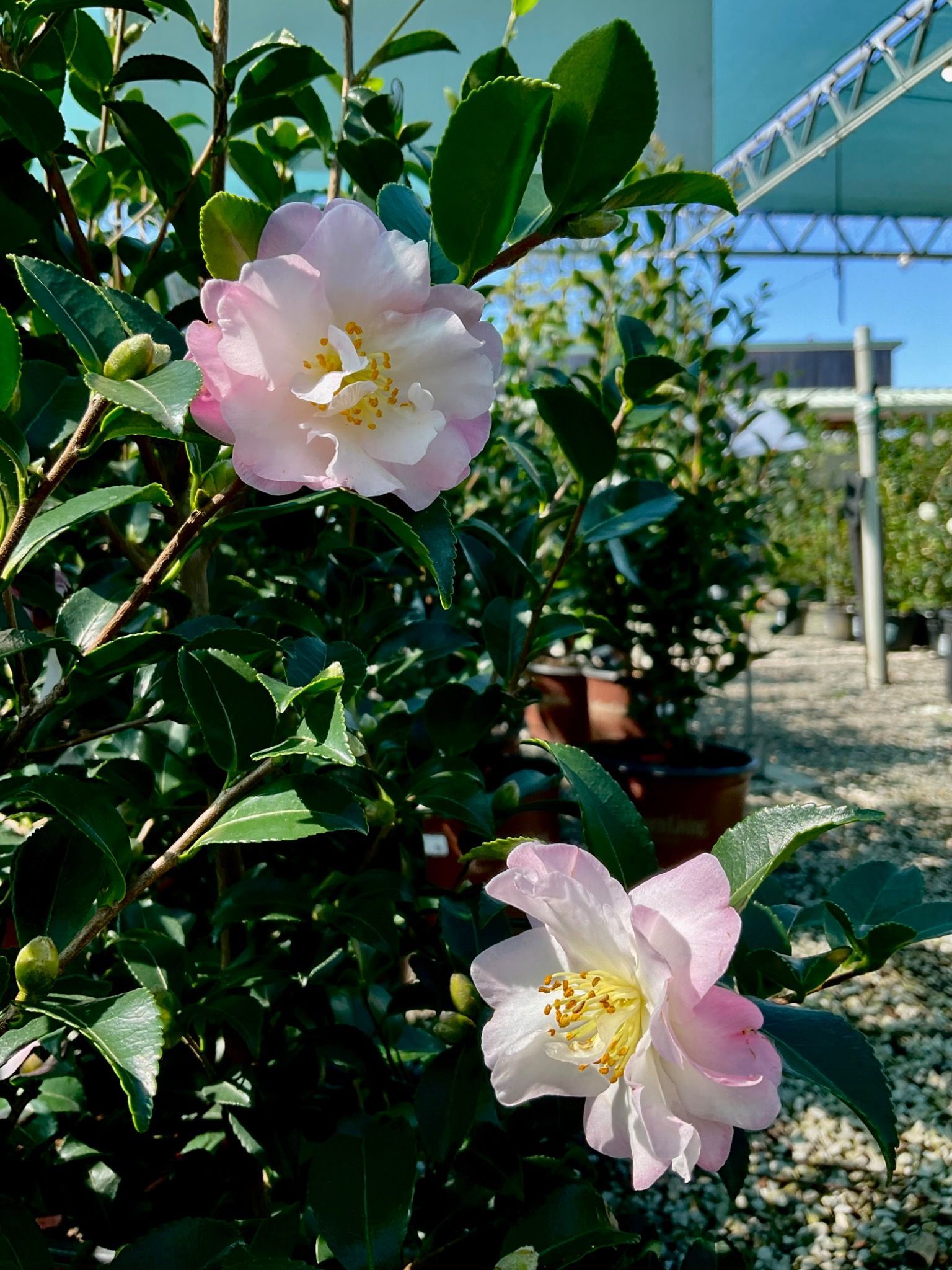
Camellia Season Is Here! A Southern Garden Favorite As temperatures begin to cool in South Louisiana, one of our favorite flowering shrubs is stealing the show: camellias! Known for their beautiful blooms, glossy evergreen foliage, and timeless Southern charm, camellias are a staple in Louisiana landscapes. While many plants slow down for the season, camellias are just getting started! Why We Love Camellias Camellias bring gorgeous color to your garden during the cooler months, with blooms ranging from soft pinks and whites to vibrant reds. Two popular types thrive in Louisiana: Sasanqua Camellias: Typically bloom in fall and early winter, tolerate more sunlight, and are perfect for hedges and landscape borders. Japonica Camellias: Usually bloom from winter into early spring, producing large, showy flowers that thrive in partially shaded areas. Planting both varieties can keep your landscape colorful for months! Fall Is the Perfect Time to Plant! November is an excellent time to plant camellias in Lafayette! Cooler temperatures help reduce transplant stress while allowing roots to establish before the summer heat returns. A few camellia care tips: Plant in well-drained, slightly acidic soil. Choose a location with morning sun or partial shade. Water consistently while plants become established. Add mulch to retain moisture and protect roots. Prune after flowering to avoid removing next season's buds. Camellias We're Loving Right Now Our shrub yard is filling up with beautiful camellias! A few of our favorites this season include Crimson 'N Clover, Autumn Rocket, and October Magic Orchid. Whether you're looking for a flowering privacy hedge, a beautiful entryway accent, or year-round greenery, there's a camellia for your landscape! Find Your Favorite at All Seasons Nursery! Camellias are a Southern classic for a reason! Their stunning blooms, evergreen foliage, and easy-care nature make them a beautiful addition to Louisiana gardens. We've received hundreds of camellias, and now is the perfect time to plant! Stop by All Seasons Nursery in Lafayette, Louisiana , stroll through our shrub yard, and find the perfect camellia to bring home.
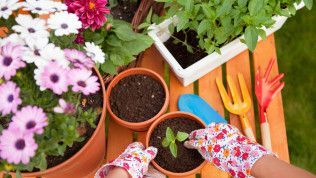
November is here, Acadiana! As the temperatures begin to cool and the holiday season approaches, it's the perfect time to give your garden a little extra attention. While gardening may be slowing down in other parts of the country, here in South Louisiana, November is one of the best months to plant, refresh, and prepare your landscape for the cooler months ahead. From colorful winter blooms to planting trees and shrubs, there's plenty to keep your garden looking beautiful all season long. Here are a few things to check off your November gardening to-do list! 1. Add Color with Cool-Season Flowers Just because summer is over doesn't mean your garden has to lose its color! November is a fantastic time to plant cool-season annuals that thrive in Louisiana's mild winters. Some of our favorites include: Pansies & Violas: Cheerful, cold-tolerant blooms that bring color to flower beds and containers. Snapdragons: Beautiful, upright flowers that add height and texture to your garden. Dianthus: Colorful blooms that perform beautifully during cooler weather. Cyclamen: Perfect for adding elegant color to shaded patios, porches, and protected garden spaces. Ornamental Kale & Cabbage: A great way to add unique texture and seasonal interest. Refresh your flower beds, fill your favorite pottery, or create a beautiful container garden to welcome holiday guests! 2. Plant Trees & Shrubs Did you know fall is one of the best times to plant trees and shrubs in Louisiana? November's cooler temperatures reduce heat stress while the soil remains warm enough to encourage root development. Planting now gives your landscape time to establish roots before next summer's intense heat arrives. Consider adding: Camellias for beautiful fall and winter blooms Japanese maples for stunning foliage and texture Azaleas for spring color Hollies for evergreen interest and seasonal berries Shade trees to enhance your landscape for years to come Gardening Tip: Water newly planted trees and shrubs deeply and consistently, even during cooler weather. Their roots still need moisture to establish! 3. Enjoy Camellia Season One of the highlights of November gardening in South Louisiana is camellia season! These beautiful evergreen shrubs bring stunning blooms to the landscape when many other plants are slowing down. With their glossy green foliage and gorgeous flowers, camellias are a must-have for Southern gardens. Sasanqua camellias are especially beautiful during the fall, while many japonica varieties bloom later in winter and early spring. Plant them in well-drained, acidic soil with appropriate sun protection, and enjoy their beauty year after year. Stop by All Seasons Nursery to explore our selection of camellias and find the perfect addition to your landscape! 4. Refresh Your Mulch Before winter arrives, give your landscape beds a fresh layer of mulch. Mulching helps: Regulate soil temperatures Retain moisture Suppress weeds Protect shallow roots during temperature changes Give your landscape a clean, finished appearance Apply approximately 2–3 inches of mulch around your plants, keeping it away from tree trunks and shrub stems to prevent moisture-related problems. It's a simple task that makes a big difference in both the appearance and health of your garden! 5. Prepare Your Lawn for Cooler Weather As temperatures drop, warm-season grasses like St. Augustine, Bermuda, Centipede, and Zoysia begin slowing their growth and entering dormancy. November is the time to prepare your lawn for winter rather than encourage new growth. Here's what to do: Remove fallen leaves that may block sunlight. Continue mowing as needed while grass is actively growing. Reduce watering as temperatures cool and rainfall provides moisture. Avoid applying high-nitrogen fertilizers that encourage tender new growth. Monitor for lawn diseases, especially during periods of cool, damp weather. A little maintenance now can help your lawn transition into winter and return healthy in spring! 6. Start Your Cool-Season Vegetable Garden November is a wonderful month for growing fresh vegetables in Acadiana! Our mild fall and winter weather allows gardeners to enjoy a variety of cool-season crops. Consider planting: Broccoli Cabbage Cauliflower Lettuce Kale Spinach Carrots Radishes Onions Choose a sunny location with well-drained soil, and keep an eye on the forecast for occasional freezes. There's nothing quite like harvesting fresh vegetables from your own backyard during the holidays! 7. Get Ready for the First Freeze Louisiana weather can be unpredictable! While November often brings comfortable temperatures, occasional cold fronts and freezing conditions can arrive unexpectedly. Now is a great time to prepare before the first freeze warning. 8. Give Your Containers a Holiday Refresh With Thanksgiving gatherings and Christmas celebrations right around the corner, November is the perfect time to refresh your outdoor containers. Combine colorful pansies, snapdragons, ornamental cabbage, and seasonal accents to create arrangements that make your entryway feel warm and welcoming. Whether you love traditional holiday colors or prefer a softer, elegant winter palette, seasonal container gardens are an easy way to transform your porch or patio. Don't have time to create your own? Let the team at All Seasons Nursery help you put together a beautiful container garden! 9. Prepare Your Outdoor Spaces for the Holidays November isn't just about planting. It's also about getting your outdoor spaces ready for family, friends, and holiday celebrations! Clean up garden beds, trim overgrown plants as appropriate, refresh your pottery, and add seasonal color around your entryways. It's also the perfect time to start thinking about Christmas trees, holiday greenery, and festive decorations that make your home feel extra special. A well-maintained landscape creates the perfect backdrop for the holiday season! Make the Most of November at All Seasons Nursery! November is full of opportunities to make your garden beautiful, healthy, and ready for the season ahead. Whether you're planting your first camellia, refreshing your flower beds, starting a vegetable garden, or preparing for the holidays, there's always something growing in South Louisiana. At All Seasons Nursery in Lafayette, Louisiana , we're here to help you make the most of every season with beautiful plants, gardening essentials, and expert advice.
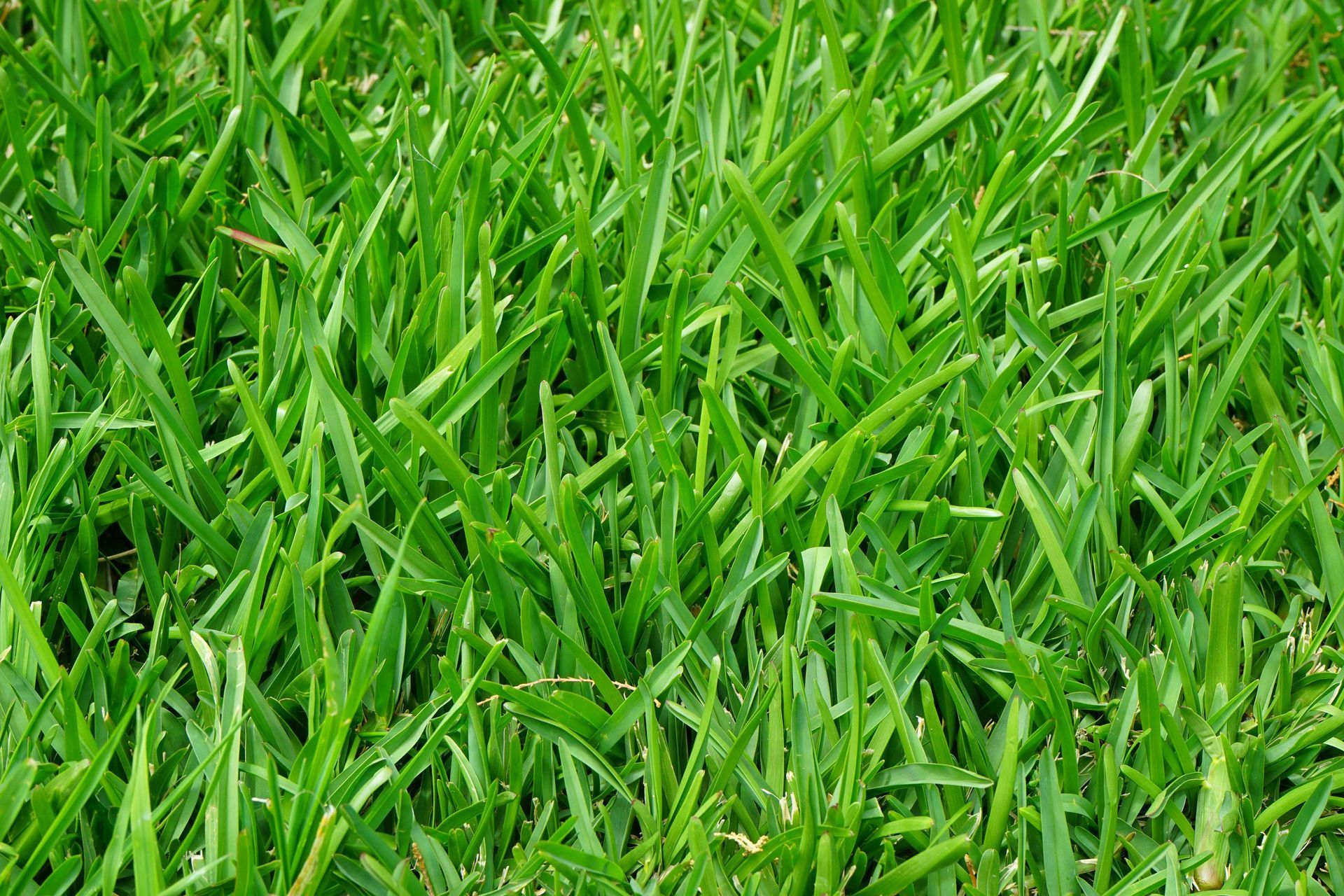
Winterizer may sound like the name of a Disney villain, but it’s a helpful product for your lawns and shrubs to use at this time of the year! What is Winterizer? Winterizer is a granule product that we sell in a 20 lb bag. It helps build a vigorous root system during the winter for your shrubs, trees, evergreens and all types of grasses- AKA your lawn. The bottom line is using Winterizer will enhance winter hardiness, boost the shrub’s “immunity” and promote earlier greening up in the Spring, which is what we all look forward to after seeing a couple months of brown! For your Spring-blooming shrubs, Winterizer encourages them to set their fresh buds. You know what this means? BLOOMS! If you are confused about why to place this on your lawn and shrubs now, when temps will (hopefully) begin to dip, it’s because your plant’s roots do not go dormant, even though the top part may be “sleeping.” The roots don’t go dormant because the ground never freezes. Even if we get an ice dusting, below ground stays a consistent temperature. “When a customer applies Winterizer, we see a huge difference in their lawns and landscapes the following Spring season,” says All Seasons owner Peter Mayeux. “We can always tell when a customer applies Winterizer. The biggest benefit for us to see is customers excited about their lawns and landscapes once spring appears. They always thank us for encouraging them to apply this product in fall!” The application quality depends on your personalized space, but there are clear directions printed on the product’s bag. If you’re concerned about your pets after application, don’t worry! When this is applied correctly, it is 100% pet-safe. We would be happy to provide you more information in our Plant Health Care section, so visit our Garden Center to get it growing!
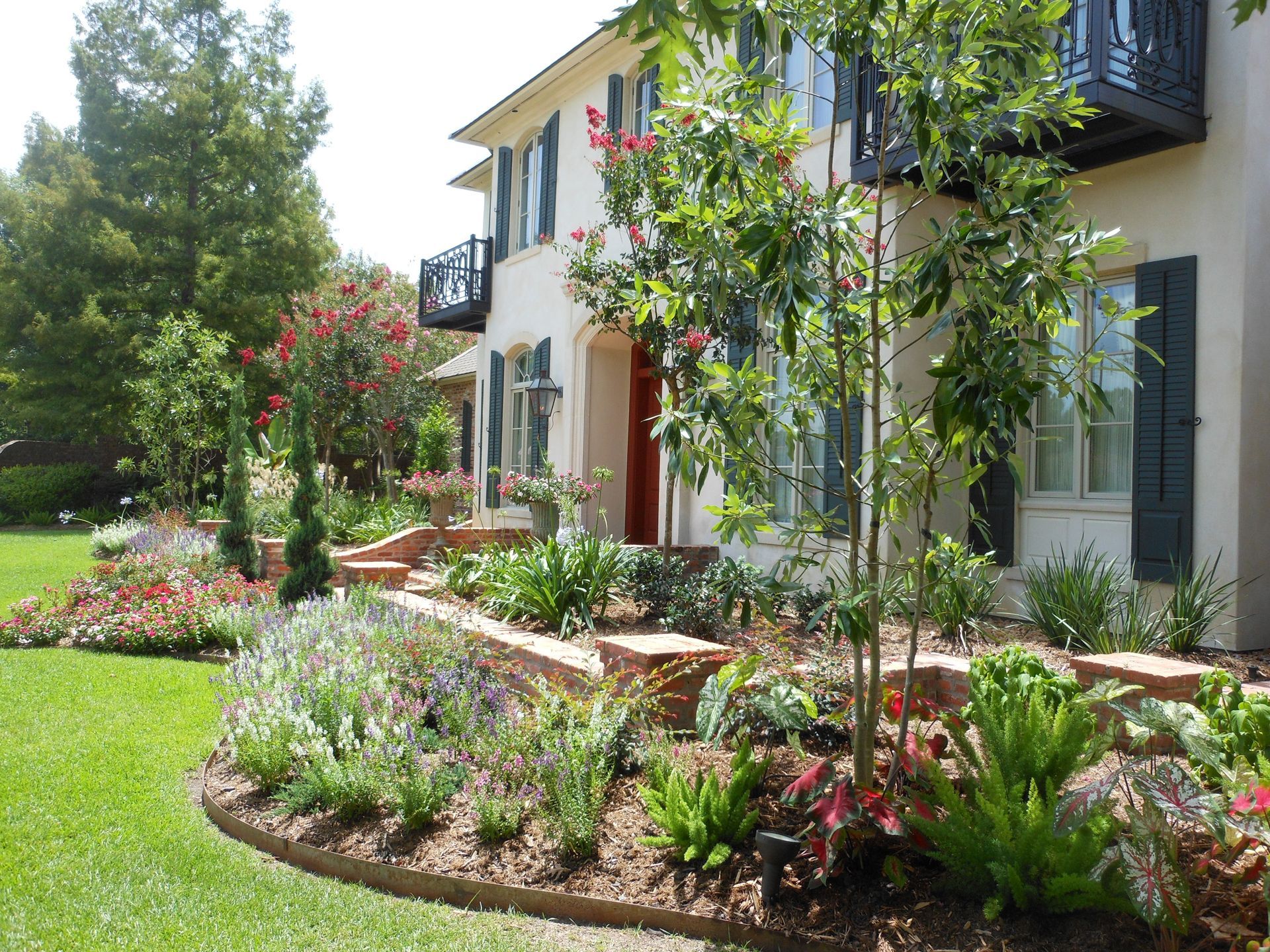
A beautiful landscape is about more than colorful flowers! When designing an outdoor space, it's easy to focus on which plants produce the prettiest blooms. But some of the most stunning landscapes in South Louisiana rely on something entirely different: texture, foliage, shape, and contrast. At All Seasons Nursery & Landscaping in Lafayette, Louisiana, we believe a truly beautiful garden should have something interesting to offer throughout every season. Whether you're refreshing an existing flower bed or starting from scratch, incorporating different textures can transform an ordinary landscape into something extraordinary. What Is Texture in Landscaping? In gardening, texture refers to the visual appearance and physical characteristics of a plant's leaves, branches, and overall growth habit. Some plants have large, dramatic leaves, while others feature delicate foliage or fine, feathery blades. Combining these different textures creates depth and visual interest, even when nothing is blooming. Think of your landscape like decorating a room. Just as you might combine different fabrics, furniture finishes, and accessories inside your home, your outdoor space benefits from a thoughtful mix of shapes and textures. 1. Make a Statement With Bold Foliage Large-leaf plants instantly create a dramatic focal point in the garden. Elephant ears, philodendrons, and other tropical foliage plants can bring a lush, resort-inspired appearance to patios and protected garden spaces. Their oversized leaves contrast beautifully with smaller shrubs, ornamental grasses, and flowering annuals. For gardeners in Acadiana, it's important to consider each plant's cold tolerance and sunlight requirements before choosing a location. 2. Add Movement With Ornamental Grasses Ornamental grasses are a fantastic way to introduce softness and movement into a landscape. As the breeze moves through their foliage, they add a natural, flowing element that contrasts with structured shrubs and broad-leaf plants. Purple fountain grass is especially popular for its burgundy foliage and graceful plumes. It's a beautiful seasonal accent in containers and flower beds, although it may need protection or replacement after a hard freeze. Ornamental grasses also pair beautifully with fall flowers, decorative pottery, and landscape borders. 3. Create Structure With Evergreen Shrubs While flowers provide seasonal excitement, evergreen shrubs create the foundation of a well-designed landscape. Plants like hollies, dwarf yaupons, and other suitable evergreen varieties can provide year-round greenery and defined shapes. Consider using evergreens to: Frame entrances and walkways Create attractive borders Add privacy around outdoor living spaces Provide a backdrop for colorful seasonal flowers Maintain structure when annual flowers are between seasons A combination of structured shrubs and softer, more natural plantings creates a balanced and inviting outdoor space. 4. Don't Be Afraid of Contrasting Colors Texture and color work hand in hand! Pairing deep burgundy foliage with bright green plants can create a bold, sophisticated look. Variegated leaves can also brighten shaded areas, while silvery or blue-green foliage can soften a planting design. For a beautiful fall combination, consider mixing ornamental peppers, crotons, and seasonal flowers in complementary shades. The key is to choose a color palette that feels intentional rather than using every color available. 5. Use Containers to Add Dimension You don't need an entire landscape renovation to introduce texture into your outdoor space. Decorative containers are one of the easiest ways to experiment with different plant combinations. Try combining a tall focal plant, a medium-height filler, and a trailing plant that spills over the edge of the pot. You can also use pottery in different heights, shapes, and finishes to create dimension around entrances, patios, and outdoor seating areas. At All Seasons, our selection of pottery and seasonal plants makes it easy to create a combination that complements your home's style. 6. Think Beyond a Single Season One of the biggest secrets to a beautiful Louisiana landscape is planning for year-round interest. Choose plants that offer different features throughout the year. Camellias can provide cool-season flowers, evergreens maintain structure, and seasonal annuals bring changing bursts of color. When plants are selected thoughtfully, your landscape can remain attractive even when your favorite flowers aren't blooming. Let All Seasons Help You Create a Landscape You'll Love A well-designed landscape is more than a collection of plants. It's a combination of color, texture, movement, and structure that complements your home and lifestyle. Whether you love a tropical look, a classic Southern garden, or a clean, modern landscape, our team at All Seasons Nursery & Landscaping can help you select plants that thrive in the Lafayette area. Stop by our nursery to explore our wide selection of trees, shrubs, ornamental grasses, pottery, and seasonal plants. Interested in a complete landscape transformation? Contact our landscaping team at (337) 264-1418 to learn more about our professional services. Visit www.buyallseasons.com for upcoming events, current sales, fresh arrivals, and more gardening inspiration. Because a beautiful garden isn't just about what blooms — it's about everything that grows in between!
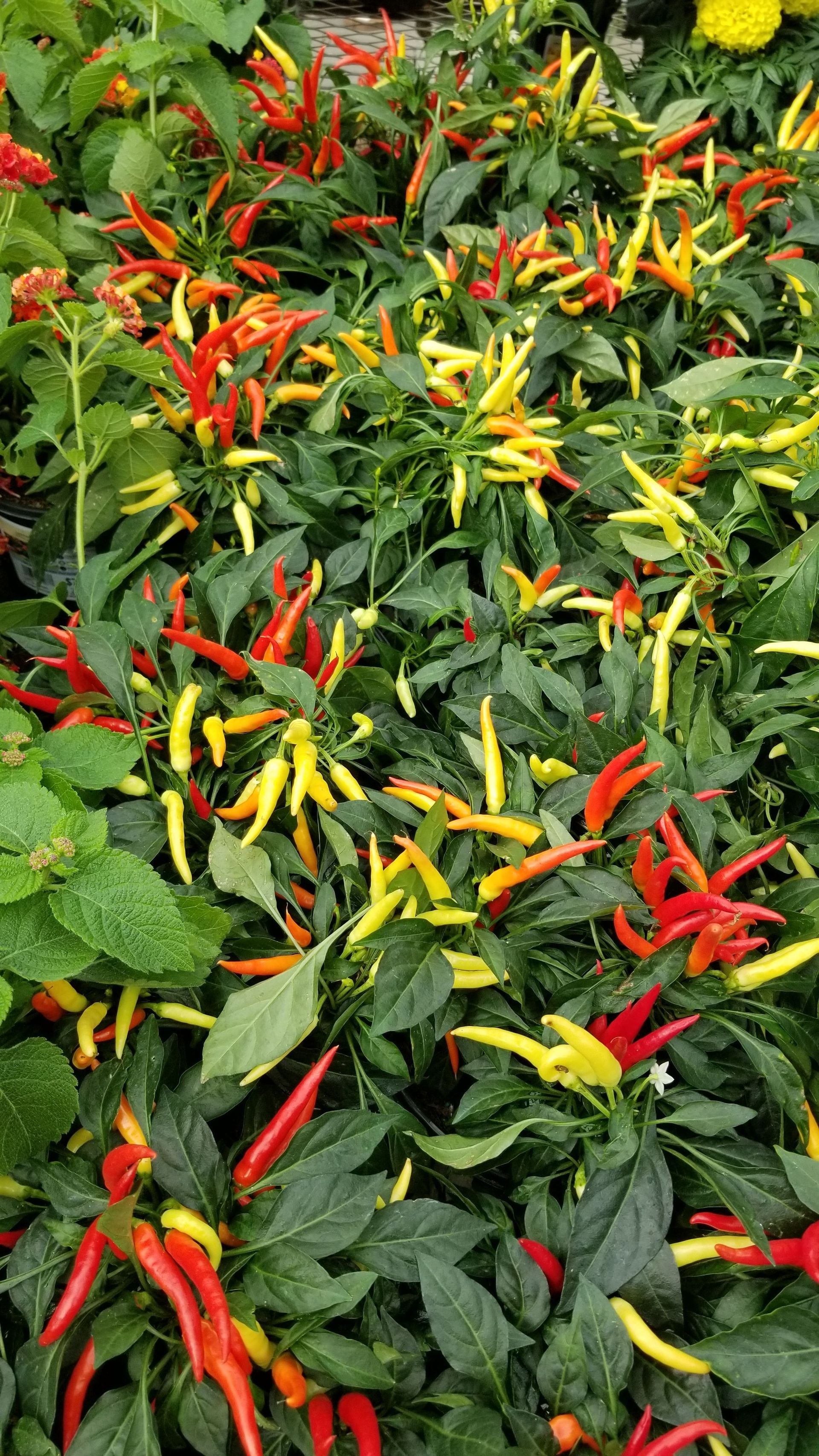
When the summer heat is still hanging around but you're ready to bring a little fall color into your landscape, ornamental peppers are an excellent choice. These colorful plants thrive in the heat and bring eye-catching shades of red, orange, yellow, purple, and even black to South Louisiana gardens. For our Zone, ornamental peppers are especially well suited to our long growing season. They tolerate the persistent heat of our summers and can provide vibrant color from late summer well into fall. What Are Ornamental Peppers? Ornamental peppers are varieties of Capsicum annuum grown primarily for their colorful fruits and attractive foliage. Unlike traditional vegetable peppers, their greatest appeal is often their appearance rather than their use in the kitchen. The peppers can come in a wide variety of shapes, sizes, and colors. Some varieties even produce multiple colors on the same plant as the fruit develops and matures. Depending on the variety, you may see peppers transition from green, white, yellow, or purple into shades of orange and red. The plants themselves are generally compact and upright or mounded, making them useful in flower beds, borders, containers, and mixed plantings. Why Ornamental Peppers Love South Louisiana South Louisiana's hot, humid growing conditions can be challenging for some plants, but ornamental peppers are built for the heat. LSU AgCenter horticulturists specifically recommend ornamental peppers for Louisiana landscapes because of their tolerance for persistent heat and their ability to provide strong late-summer and fall color. They are particularly useful when many summer annuals are beginning to look tired. Instead of fading as the season changes, ornamental peppers can add a fresh burst of color to the landscape. In fact, LSU AgCenter has included ornamental peppers as a group in its Louisiana Super Plants recommendations, highlighting varieties such as Midnight Fire, Black Hawk, Hot Pops Purple, Chilly Chili, and Calico- many of those we have here at All Seasons! Where Should You Plant Ornamental Peppers? For the best color and fruit production, plant ornamental peppers in full sun to partial sun . In South Louisiana, a location with plenty of sunlight will encourage the colorful fruits and foliage that make these plants so attractive. Good locations include: Flower beds and landscape borders Around patios and outdoor living spaces Containers and decorative pots Entryways and walkways Mixed annual plantings Fall-themed garden displays Mass plantings for a bold splash of color Most ornamental peppers are relatively compact. LSU AgCenter gives an average size of approximately 14–18 inches tall and 12–14 inches wide , although mature size varies considerably by cultivar. Always check the plant tag for the specific variety you're purchasing. How to Plant Ornamental Peppers When planting in the landscape: Choose a sunny location. More sunlight generally means better fruit and color production. Give plants room to grow. A spacing of approximately 8–10 inches is recommended for many ornamental pepper varieties, although spacing should be adjusted according to the mature size of the cultivar. Provide well-prepared soil. Ornamental peppers perform best in slightly acidic soil, with a pH around 5.5–6.0. Water after planting. Newly planted peppers need consistent moisture while they establish their root systems. Don't forget drainage. Louisiana can bring both heavy rainfall and extended dry periods. Good drainage and healthy soil are important for maintaining healthy roots. How Much Water Do Ornamental Peppers Need? Once established, ornamental peppers are relatively drought tolerant. However, that doesn't mean they should be left completely dry—especially during the hot, dry stretches that South Louisiana can experience. Water when needed during extended periods without rainfall, paying particular attention to newly planted peppers and plants growing in containers. Our weather can swing from heavy rainfall to dry conditions, so keeping an eye on soil moisture is important. A good rule is to check the soil rather than watering automatically. If the soil is drying out, give the plant a thorough watering. Fertilizing Ornamental Peppers Ornamental peppers don't require an elaborate fertilizing routine. Always follow the fertilizer label for application rates. Ornamental Pepper Varieties to Look For: One of the best things about ornamental peppers is the incredible variety available. Chilly Chili Chilly Chili is a compact variety known for colorful fruit that changes from yellow to orange and eventually red. It reaches approximately 12 inches tall with an 8–10-inch spread. One of its biggest advantages is that its fruit is non-pungent. Calico Calico is a standout choice when you're looking for interesting foliage as well as colorful fruit. Its leaves can feature shades of green, creamy white, and purple, while its glossy black fruit eventually matures to red. Midnight Fire Midnight Fire is one of the ornamental peppers recommended by LSU AgCenter for Louisiana gardens. Its dark foliage and colorful fruit make it particularly striking in late-summer and fall landscapes. Black Hawk Black Hawk is another Louisiana-recommended ornamental pepper that can add dramatic dark tones to seasonal plantings. Purple Flash If you love dark foliage, Purple Flash is worth looking for. It features nearly black-purple foliage and small, glossy black fruit. Keep in mind that this variety is extremely hot and is not recommended for eating. All Seasons may or may not have these varieties available! Call prior to coming in if you are looking for a specific variety! Are Ornamental Peppers Edible? This is an important question! Don't assume an ornamental pepper is edible simply because it produces peppers. The peppers here at the Garden Center sold solely as "ornamental" are typically not suitable for consumption. If you're interested in growing a pepper that is both beautiful and intended for eating, look for varieties specifically labeled as edible, such as certain edible ornamental varieties we have here at the garden center. When in doubt, check the plant tag or ask an associate before consuming any ornamental pepper. Ornamental Peppers and Fall Color One of the biggest advantages of ornamental peppers for gardeners is their ability to create the feeling of fall without waiting for our trees to put on a dramatic autumn show. As temperatures begin to cool and the days become shorter, ornamental peppers can provide the reds, oranges, yellows, and purples we associate with the season. Use them alongside mums, ornamental grasses, pumpkins, seasonal flowers, and other fall plants to create colorful displays around your home. They're also an easy way to refresh containers that have looked a little tired after a long summer. Add Some Pepper Power to Your Garden! If you're looking for a plant that can handle South Louisiana's heat while delivering bold seasonal color, ornamental peppers deserve a spot on your shopping list. With their compact growth, colorful fruits, interesting foliage, and heat tolerance, they're a great choice for flower beds, containers, borders, and fall displays. And with so many varieties to choose from, there's an ornamental pepper to complement just about any landscape style. Stop by All Seasons Garden Center and take a look at our current selection of ornamental peppers. Our team can help you choose the right variety for your landscape, container, or seasonal display!
Halloween has crept into the garden! October is one of the most exciting months at All Seasons Nursery & Landscaping . Pumpkins are piled high, fall color is filling the nursery, creepy crawlies are hiding beneath the leaves, and cooler weather is finally making its way toward Acadiana. But while you're decorating your porch and picking out the perfect pumpkin, don't forget about your garden! October is a great month to plant, refresh your flower beds, watch for fall pests, and give your landscape a little TLC. Here are a few ways to get your garden ready for a spooktacular Louisiana fall! Pick the Perfect Pumpkins Nothing transforms a porch for Halloween faster than pumpkins! Mix traditional orange jack-o'-lantern pumpkins with heirloom pumpkins, gourds, mini pumpkins, and different shapes and textures to create a layered fall display. Add a few pots of colorful fall plants, and you've got an easy front porch display that can carry you from Halloween right into Thanksgiving. And don't forget—you can visit our pumpkin painting station at All Seasons! Purchase your pumpkin, paint it, let it dry while you shop and explore the nursery, and take your masterpiece home. Give Your Garden Some Frightfully Good Color Your summer flowers may be getting tired, but your garden doesn't have to look scary! October is the perfect time to refresh containers and flower beds with seasonal color. Look for fall favorites like: Snapdragons Dianthus Mums Petunias Marigolds Celosia Ornamental peppers Crotons For a Halloween-inspired container, try combining orange, deep red, yellow, purple, and burgundy plants. Add a pumpkin or two around the container, and you've got Halloween décor that still looks beautiful and sophisticated. Watch for Creepy Crawlies What's Halloween without a few creepy crawlies? Unfortunately, some of the creatures hiding in your garden aren't just there for decoration. Even during fall, Louisiana gardeners may encounter aphids, whiteflies, spider mites, caterpillars, scale, and other pests . Check underneath leaves, around new growth, and along stems for insects or signs of damage. Holes, discoloration, webbing, sticky residue, curling leaves, or unusual leaf drop can all be clues that something is going on. But before you grab the insecticide, figure out what's actually crawling around your garden! 🕸️ Some Creepy Crawlies Are Your Friends! That spider hiding in your garden might look perfect for Halloween, but it could also be helping you. Not every insect or creepy crawly needs to be eliminated. Spiders, lady beetles, lacewings, praying mantises, and other predators can help control unwanted garden pests. Bees, butterflies, moths, and other pollinators are also important visitors. Learning the difference between a pest, predator, and pollinator can help you avoid treating insects that are actually benefiting your garden. Think before you spray! Don't Let Dead Plants Haunt Your Garden Dead, damaged, and diseased plant material can make your landscape look a little too spooky. Take some time this month to walk through your garden and clean up plants that are struggling. Remove appropriate dead material, pick up debris, pull weeds, and inspect plants while you're working. A little fall cleanup can make your landscape look better while giving you an opportunity to spot potential pest or disease problems early. Just remember that not every dried stem or fallen leaf needs to disappear—some natural garden material can provide habitat for beneficial insects. Fall Is for Planting! Here's one gardening trick that's actually a treat: fall is one of the best times to plant many trees, shrubs, and perennials in Louisiana. Cooler temperatures reduce some of the stress associated with planting during our intense summer heat, while the soil can remain warm enough for root development. That gives many newly planted trees and shrubs time to begin establishing before next summer arrives. So if you've been thinking about adding a new tree, refreshing your landscaping, or filling an empty spot in the yard, don't be afraid to get planting! Make a Bewitching Container Garden Want an easy Halloween project? Create your own Halloween-inspired container! Start with a decorative pot and choose plants with dramatic colors and textures. Deep purple, orange, burgundy, chartreuse, and dark green can create a beautiful Halloween palette without making your porch look overly themed. Finish it with a small pumpkin, decorative picks, or another Halloween accent. Don't Forget Your Citrus October is also a great time to give your citrus trees some attention. Inspect leaves and branches for signs of insects, damaged foliage, or other problems. Keep newly planted citrus properly watered while it establishes, but avoid keeping the soil constantly soggy. If you're thinking about adding citrus to your landscape, stop by the nursery and let our team help you choose a variety suited to your space. Get Outside & Enjoy October! Between the pumpkins, cooler mornings, fall flowers, Halloween decorations, and changing garden, October is simply a fun month to spend outside. Take a walk through your landscape. Check underneath a few leaves. Refresh your containers. Plant something new. Pick out a pumpkin. And maybe don't be too afraid of the spider you find along the way. Halloween Fun at All Seasons Want even more spooky-season fun? Join us for our FREE Not-So-Creepy Crawly Seminar on Saturday, October 3 , where we'll talk about beneficial bugs, garden pests, pollinators, predators, and ways to protect your plants. Then bring the family back for our Trick-or-Treat Nursery on October 16 from 4–6 PM! We'll have trick-or-treating, candy, toys, face painting, balloon art, pumpkin painting, a Hocus Pocus witch, photo opportunities, and a raffle for the parents. And don't forget about Boo-tanical Bingo on October 30! There's plenty of spooky fun growing at All Seasons this October. All Seasons Nursery & Landscaping Lafayette, Louisiana Visit buyallseasons.com to see our upcoming events, current sales, weekly blogs, and more. Happy Halloween & Happy Gardening!
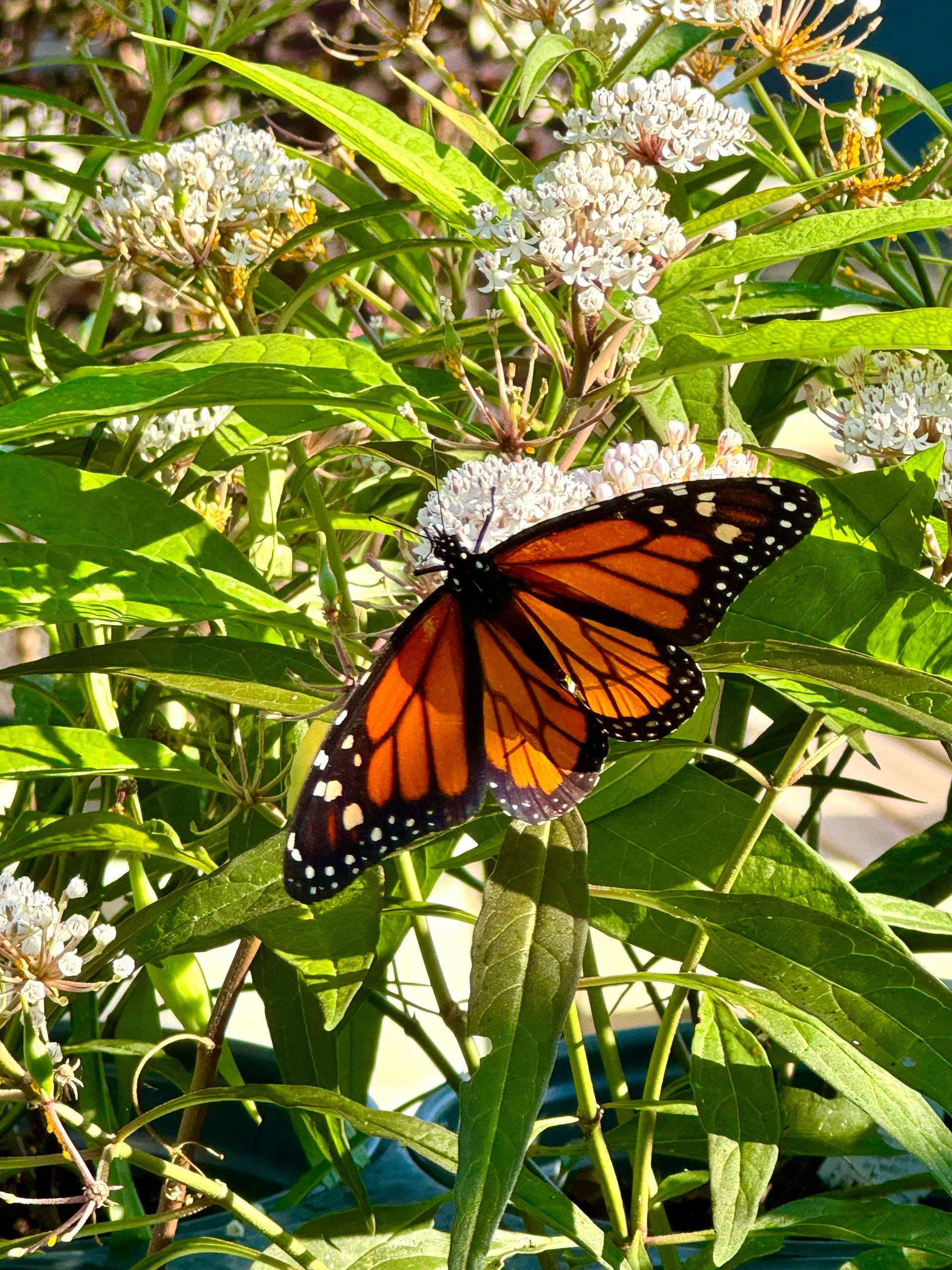
All Things Bugs: What to Watch for in Your October Garden October may bring cooler weather to Lafayette and South Louisiana , but that doesn’t mean garden bugs are gone for the season! In fact, fall can still bring plenty of insect activity to our landscapes, vegetable gardens, flowers, and shrubs. The important thing to remember is that not every bug is a bad bug . Some insects can damage your plants, while others are valuable pollinators or natural predators that help keep pest populations under control. Here are some of the bugs to watch for this October, how to manage unwanted pests, and which beneficial insects you should be happy to see in your garden. Pests to Watch for This October Aphids Aphids are tiny, soft-bodied insects that gather on new growth, flower buds, and the undersides of leaves. They feed by sucking sap from plants and can cause curling, distorted growth, yellowing, and sticky residue known as honeydew. What to do: For a light infestation, a strong spray of water may be enough to knock aphids from the plant. Insecticidal soaps and horticultural oils can also be options when used according to their labels. Before treating, check for lady beetles and other beneficial insects that may already be feeding on the aphids. Caterpillars Fall gardens can attract several types of caterpillars, including armyworms and other leaf-chewing species. You may notice holes in leaves, missing foliage, or dark droppings around damaged areas. What to do: Inspect plants regularly and hand-pick caterpillars when practical. For certain pest caterpillars, products containing Bt (Bacillus thuringiensis) can provide targeted control when applied while caterpillars are small. Always identify the caterpillar first—you don't want to accidentally eliminate a butterfly or moth species you want in the garden! Whiteflies If you touch a plant and a cloud of tiny white insects suddenly flies into the air, you may have whiteflies. They tend to congregate on the undersides of leaves and can weaken plants by feeding on their sap. What to do: Remove heavily infested leaves when appropriate and consider insecticidal soap or horticultural oil. Good air circulation and regular plant inspections can help you catch an infestation before it becomes severe. Spider Mites Spider mites aren't actually insects—they're relatives of spiders—but they're a common garden pest. Look for tiny speckles or discoloration on leaves and very fine webbing around foliage. What to do: Check the undersides of leaves carefully. Water-stressed plants can be more vulnerable to mite problems, so proper watering is important. Horticultural oils and insecticidal soaps may help when they're labeled for the plant and pest you're treating. Scale Insects Scale can appear as small bumps attached to stems, branches, or leaves. Because they often don't look like insects, they can be easy to overlook. What to do: Treatment depends on the type of scale and its life stage. Horticultural oils can be useful for certain scale insects, particularly when timed correctly. If you're unsure what you're seeing, bring us a clear photo or plant sample so we can help identify the problem before you treat it. Mealybugs Mealybugs are easy to recognize by their white, cottony appearance. They often hide around stems, leaf joints, and other protected areas of the plant. What to do: Small infestations can sometimes be physically removed. Insecticidal soaps or horticultural oils may also be appropriate. Check nearby plants because mealybugs can spread. Don't Forget About the Good Bugs! Seeing an insect in your garden doesn't automatically mean you need to reach for a pesticide. A healthy garden is full of life, and many insects are working in your favor. Lady beetles are garden helpers because both adults and larvae can feed on pests such as aphids. Lacewings are another beneficial predator. Their larvae feed on many small, soft-bodied garden pests. Bees are essential pollinators for many flowers, fruits, and vegetables. Protect them by avoiding unnecessary pesticide applications, particularly while plants are blooming. Butterflies are some of our favorite garden visitors and important pollinators. Remember that before becoming butterflies, they begin as caterpillars! Learn to identify caterpillars before deciding whether they need to be removed. Praying mantises are predators that feed on many types of insects. Keep in mind, however, that they aren't picky—they can eat both pest and beneficial insects. Treat the Problem, Not Every Bug One of the best things you can do for your garden is identify the pest before treating it . Not every chewed leaf requires treatment, and using a broad insecticide unnecessarily can also affect pollinators and beneficial insects that naturally help control pests. Start by inspecting the entire plant, especially the undersides of leaves and areas of new growth. Determine what insect is present, how much damage it's causing, and whether beneficial predators are already helping. When treatment is necessary, choose a product labeled for both the specific pest and the plant you're treating , and always follow the product label for application rates, timing, and safety precautions. Join Us for Our Not-So-Creepy Crawly Seminar! Want to learn even more about what’s crawling around your garden? Join us at All Seasons Nursery on Saturday, October 3 for our FREE Not-So-Creepy Crawly Seminar! We’ll be talking all things bugs, including how to prevent common garden pests, which beneficial bugs you actually want around, fall bug outbreaks, identifying insect damage, and more. Have a bug or plant problem you’ve been wondering about? This is a great opportunity to learn more and ask questions. Saturday, October 3 FREE admission Waters provided No registration required Come learn how to tell the difference between the bugs helping your garden and the ones having your plants for lunch! Visit All Seasons Nursery Whether you're dealing with an unwanted pest or wondering if the mysterious insect on your plant is actually a garden helper, the team at All Seasons Nursery in Lafayette, Louisiana can help you find the right solution. Remember: not every bug is a bad bug! 🐞🌿